LeaksCredential and secret exposure
The keys and passwords already out there with your name on them.
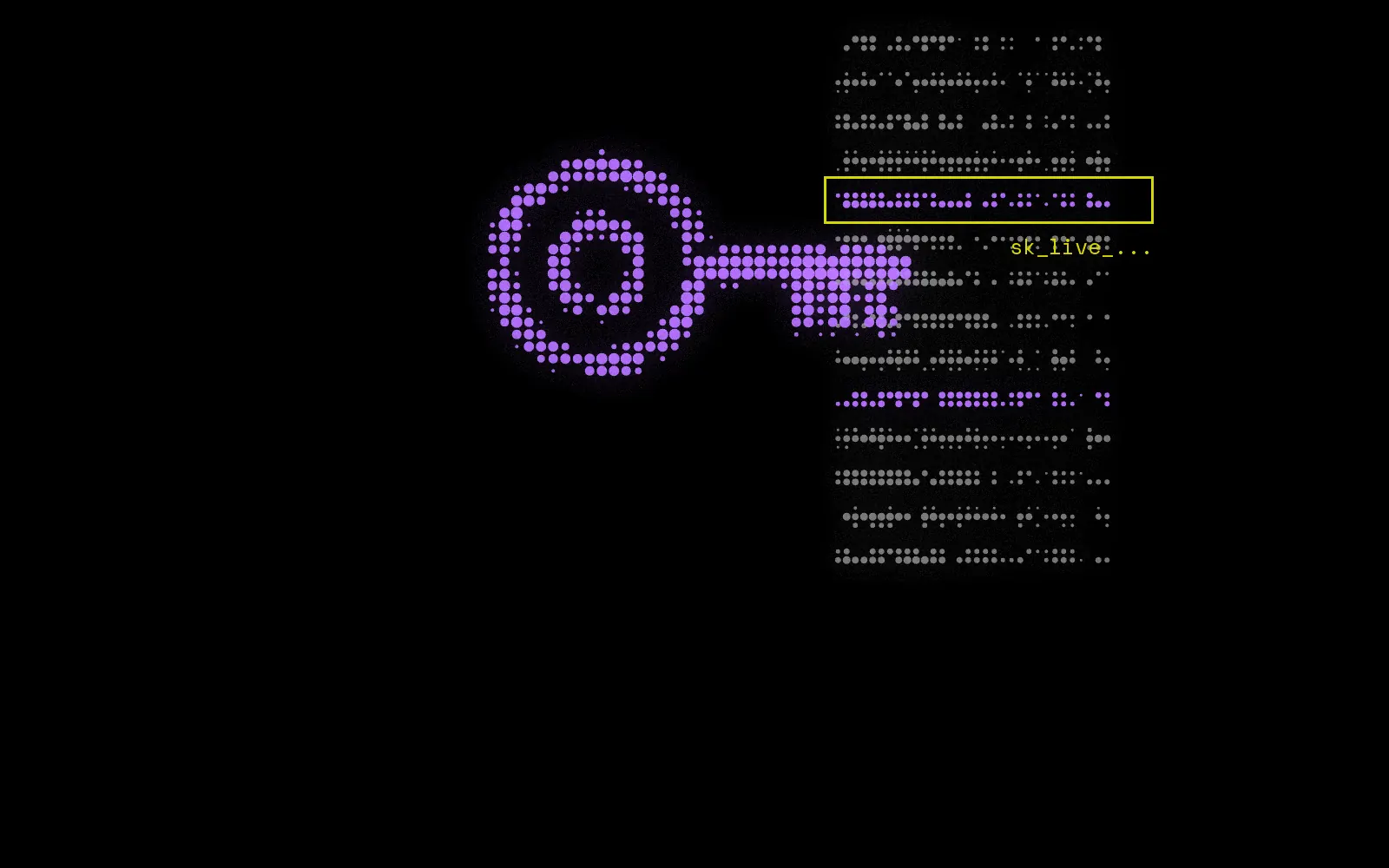
Not every exposure is on a server you run. Staff credentials turn up in breach corpora, where they get reused against your login page by people who never had to touch your infrastructure. API keys get left in pages that were published, indexed, and then quietly deleted, which does nothing about the copy sitting in a public web archive. Nulink searches for both against the domains you have verified, so you can force a reset or rotate a key before anyone else goes looking.
What it finds
- Staff email addresses on your verified domains appearing in breach data
- Passwords exposed alongside those addresses
- API keys, tokens and access credentials left in archived copies of your pages
- Secrets in pages that were removed from the live site but survive in web archives
- Email addresses published on the open internet that make obvious phishing targets
Where the data comes from
- Breach datasets
- Web archives
- theHarvester OSINT
- Web crawling
How it works
- 01
Verify
Your root domains are verified, which is what scopes every search that follows.
- 02
Search
Breach corpora are checked for addresses on your domains, and web archives are mined for key and token patterns.
- 03
Correlate
Each hit is tied back to the address or the archived URL it came from, with the source recorded as evidence.
- 04
Rotate
Reset the accounts, revoke the keys, and mark the findings resolved once the work is done.
In detail
- Bounded to your domains
- Searches are scoped to the domains you have verified and nothing else. This is not a people search and it does not profile individuals. It answers one question: what of ours is already out there.
- Deleted is not gone
- A page taken down this morning may already be in a public archive with last year's API key in the markup. Nulink mines those archives for the key and token patterns that matter and reports the archived URL each one was found in, so you know exactly what to rotate and exactly what is still readable.
- Why these two sit together
- A breached password matters because people reuse them. A leaked key matters because nothing expires it. Both are exploitable the moment someone bothers to look, both cost an attacker nothing, and neither leaves a mark on your infrastructure when it is used. They are the same class of problem.
- Act, then close it out
- Rotate the key or force the reset, then mark the finding resolved. Breach data does not un-leak itself, so these findings close when you have done the work rather than waiting for a rescan to stop seeing them.
What changes for your team
Beat credential stuffing
Force the reset before a reused password is tried against your login page by someone who bought the list.
Kill live keys
A token in an archived page works exactly as well as a token in production, and nothing is going to expire it for you.
Know your phishing targets
The addresses most exposed on the open internet are the ones most worth training and protecting first.
Especially useful for FinTech.
What it doesn't do
Every tool has edges. Knowing where ours are is the difference between a control you can rely on and one you only think you have.
- Breach data shows that a credential was exposed, not that it is still valid. Treat every hit as a reset rather than as a confirmed intrusion.
- Exposure is reported for your verified domains only. Personal accounts and addresses on other domains are not monitored.
- Secret discovery covers archived and crawled page content. It is not a source code scanner; that is Nulink Cloud's code scanning.
Questions about Credential and secret exposure
Where does the breach data come from?
From breach corpora already in public circulation. Nothing is taken from your systems, and nothing here was obtained by compromising anyone. The exposure exists whether or not you are looking at it, which is the argument for looking.
Is it appropriate for us to see our staff's exposed passwords?
The results sit behind your Nulink account like every other finding, and the purpose is operational: confirm the exposure, force the reset, move on. If your policy is to act on the address alone and never look at the credential, the finding supports that perfectly well.
What do we actually do with a leaked key?
Rotate it, then check what it could reach while it was live. The finding gives you the archived URL it was found in, so you also know how long the key has been publicly readable, which is usually the more uncomfortable number.
Continuous monitoring
MonitoringRescan on a schedule or on demand, diff every run, and let fixed findings close themselves.
Read more
Asset discovery
ASMStart from one verified domain and map every internet-facing host, address and service tied to it.
Read more
Subdomains and lookalikes
DNSCatch forgotten subdomains, dangling DNS records and the domains registered to impersonate you.
Read more

Visibility is security. Start with yours.
Book a 30-minute walkthrough with the team, or connect your first account and see results today.